Quip It and Rip It: Edition 5

Welcome to the Schmoozeletter Blog. Your source for weekly water cooler wisecracks from the world of finance. If you have an opinion different than mine or a topic you want to hear about, let me know!
This week, we’re talking about:
Quip It and Rip It: A one-sentence phrase about the stock market to sound smart

The stock market is overvalued!
Oh! Johnny Blowhard must have been running discounted cash flow projections, I see.
What do you say when Debbie Downer suddenly thinks she’s Benjamin Graham?
Interesting thought, Ms. Doom and Gloom.
But have you considered:
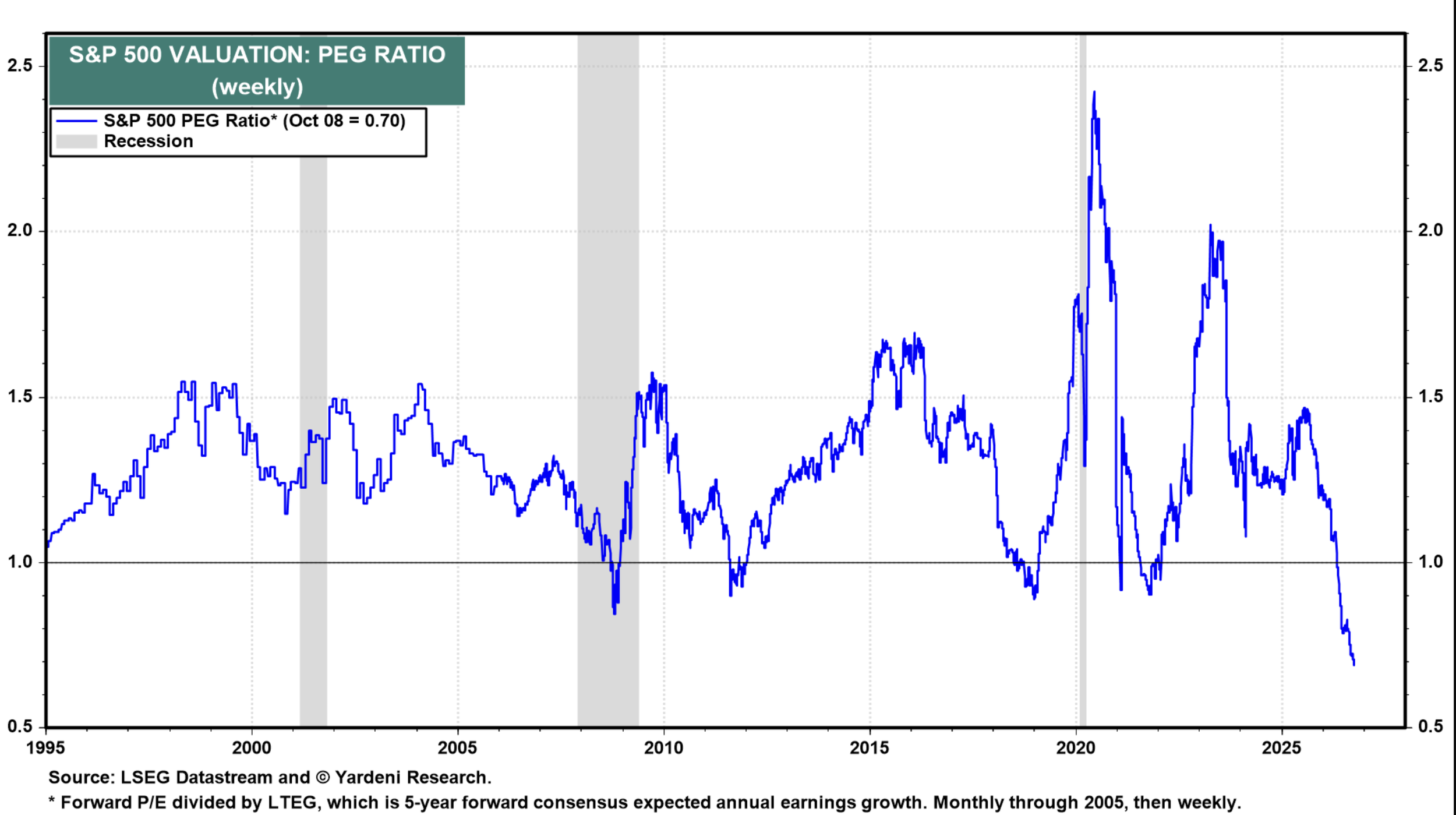
“The PEG ratio is the lowest it’s been in thirty years!”
This is…
Quip It and Rip It: A one-sentence phrase about the stock market to sound smart
At the Schmoozeletter, we know that more important than being smart is sounding smart. That’s why we’re dropping another edition of the hottest series since the Fibonacci sequence. It’s the return of the most electrifying topic in financial comedy newsletter history. The next time anyone is complaining that the market is just too expensive and the conversation comes to you, hit them with the phrase:
“The PEG ratio is the lowest it’s been in thirty years!”
This is the perfect response to anyone who throws out a phrase like, “The stock market is so overvalued right now.” Extra points if you throw in some agreement before dropping the hammer. Some variations include:
Sure, the trailing P/E is a bit high, but “The PEG ratio is the lowest it’s been in thirty years!”
No doubt the Shiller ratio looks concerning, but “The PEG ratio is the lowest it’s been in thirty years!”
A few market caps are definitely elevated, but “The PEG ratio is the lowest it’s been in thirty years!”
When your boss catches wind of you dropping that phrase at the water cooler, instant promotion.

Now, if you get any pushback from the person originally quipping, keep it extremely vague to avoid being found out. They may actually know what they’re talking about… or at the very least know what these ratios mean. Perhaps they say something like:
“But the cyclically adjusted P/E ratio is the highest since the dot-com bubble?”
Exude extreme confidence in your response. Puff your chest and draw a wry smirk. Muster the gusto of a lax bro and hit them with:
“Oh, I guess you don’t use any metrics that are forward-looking.”
Really put some oomph on that forward-looking bit. Then look to your compatriots at the water cooler who have just judged you the victor in this battle of stock market fodder. Your boss has probably promoted you again for this response.

Saying they aren’t forward-looking can never lose. By the time you’d be proven wrong, years have passed.
The key with Quip It and Rip It is to get in and get out. You want to nail the phrase and have the subject change as fast as possible. The deeper they delve into your quip, the more likely you are to be discovered as a phony.

Don’t be afraid to physically walk away from the person and avoid them for the rest of your life. Sure, you may lose a loving family member or long-term friend, but their final memory of you will be that you sounded smart. Isn’t that what really matters?

So what does “The PEG ratio is the lowest it’s been in thirty years!” actually mean?
First off: unimportant. Understanding what you’re saying is secondary to unleashing a great quip to sound smart. When you actually know what you’re saying, you run the risk of over-explaining and getting destroyed by a better quip.
That sorry sucker at the water cooler who was going on about valuations actually knew what he was saying, and you put him in a body bag so fast your boss fired him. Don’t feel bad, though. Your new double promotion comes with three people under you, so you can hire him back.

But for those interested in this optional step, “PEG ratio”, which you pronounce like it rhymes with “keg ratio”, refers to the price-to-earnings ratio divided by its earnings growth rate. That is what makes up the P, E, and G.
Earnings can get a little accountingy and math is hard. But the CliffNotes is you take a company’s net income divided by the total number of shares to get earnings per share. Divide that by the stock price to get the price-to-earnings ratio. Divide that by the annual earnings growth rate to get the PEG ratio.
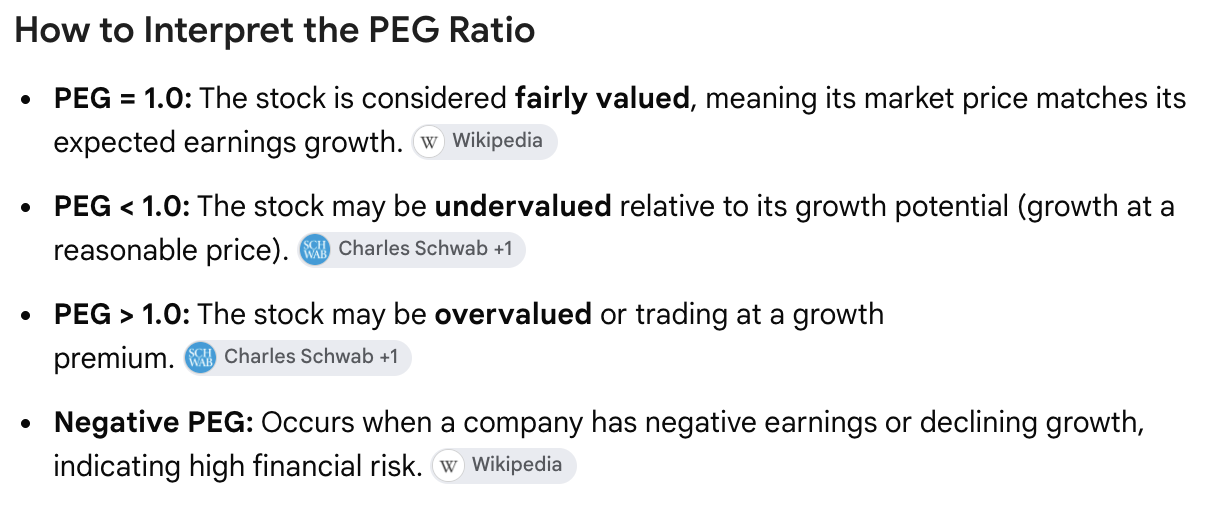
The idea is that a higher P/E ratio is justified for companies that are growing their earnings more quickly. This ratio accounts for growth and is read like this:
When referring to the market, people generally are talking about the S&P 500 index.
And as we know:
“The PEG ratio is the lowest it’s been in thirty years!”

If I’ve lost you there with all my divisive division, I get it. Don’t let that discourage you from quipping and ripping.
So, the next time your Gordon Gekko friend says the market is so vastly overpriced and that he knows better than to invest in the vehicle that historically outperformed every hedge fund at a ninety percent clip, you know the drill. Look them up and down, draw a confident smirk, lean back, cross your arms, take a deep breath, and unload:
“Pssh… The PEG ratio is the lowest it’s been in thirty years!”
Final Thought
Did you see Elon’s new rocket car?!