Market Flashcards III

Welcome to the Schmoozeletter Blog. Your source for weekly water cooler wisecracks from the world of finance. If you have an opinion different than mine or a topic you want to hear about, let me know!
This week, we’re talking about:
Market Flashcards III
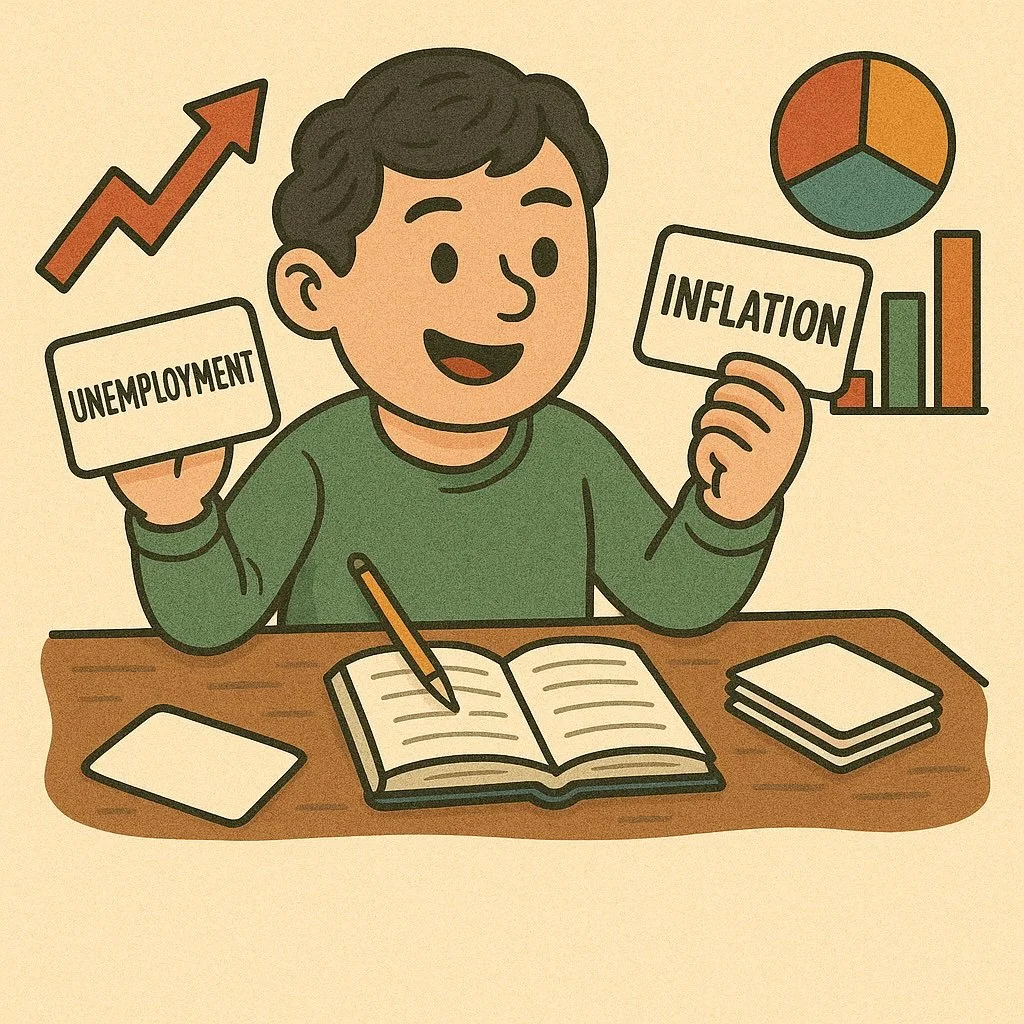
We had a great jobs report come out Friday.
The US created more than double the jobs economists were expecting for the month!
So the market sold off.
Wait… what?
If you don’t understand why seemingly good news means bad news for stocks, you can find out with my simple game.
This is…
Market Flashcards
So you’re telling me unemployment was better than expected, and that caused the market to sell off?
Correct.
More people being employed is good for the economy!
Also correct.
But it all comes down to interest rates and our good friends at the Federal Reserve.
So who are they, and what do they do?
The Fed is the central bank, and it controls interest rates. The Fed cares about two things and two things only. They want the economy to have:
1. Low unemployment
2. Low inflation
That’s it.
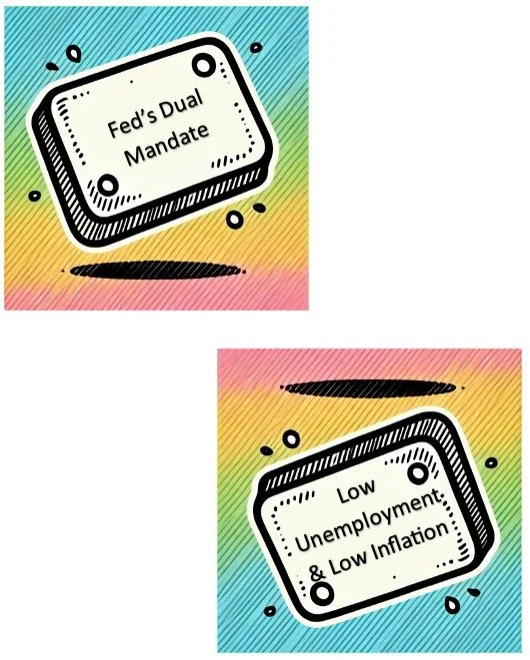
They are independent. Key point there. They stay out of politics. They are just finance nerds who look at data.
Everything the Fed does is anchored around those two goals for the economy. They can tweak these numbers by raising or lowering interest rates.
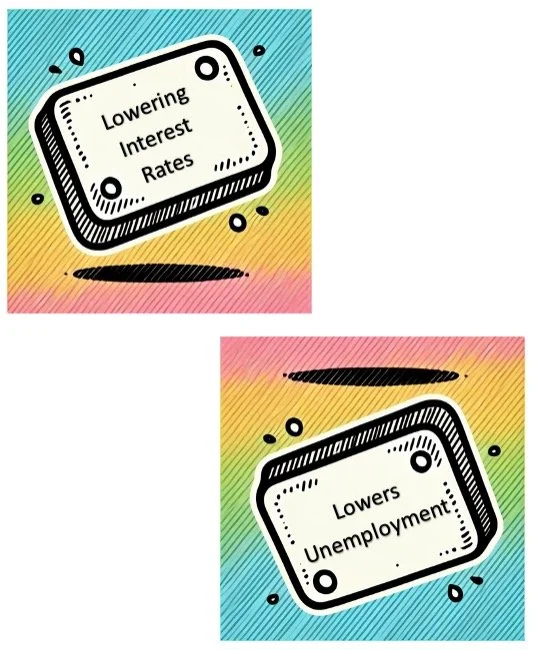
Lowering the rate is the move in times like COVID, where unemployment went sky-high.
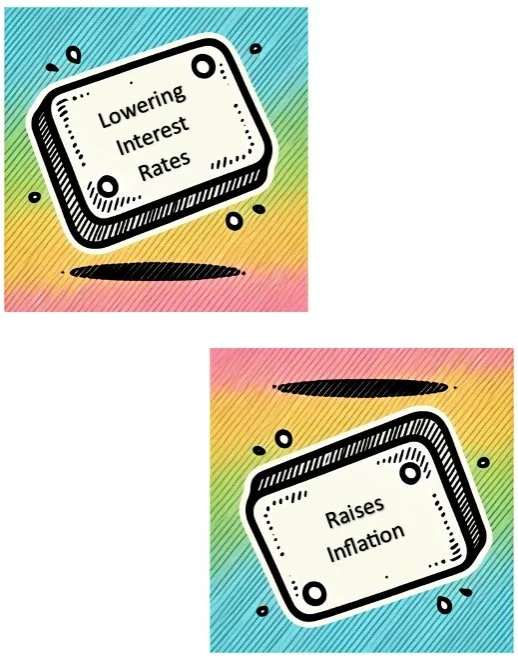
But lowering rates also makes inflation go up.
If unemployment is low and inflation is the concern, the Fed probably wants to:
Raise Interest Rates
But there is one more thing interest rates do.
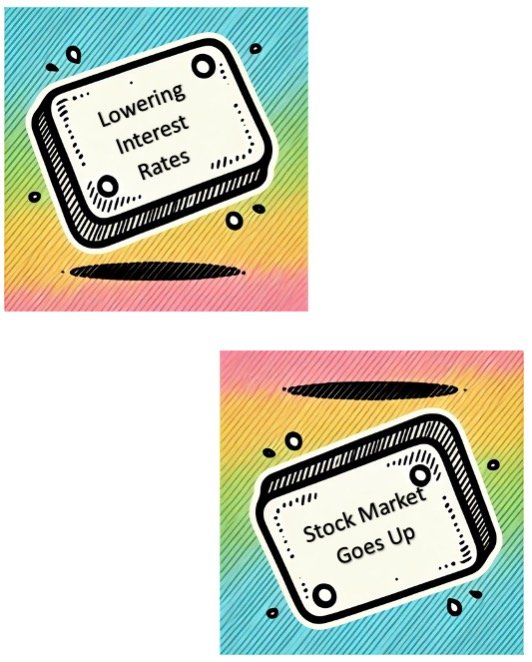
Lowering rates also stimulates the market. In general, lowering the rate is good for stocks.
As I said before, the Fed is independent. They don’t campaign, and they certainly don’t have powerful media machines defending their every illogical move. They just think about the long term and don’t make any rash decisions that wouldn’t achieve their dual mandate:
1. Low unemployment
2. Low inflation
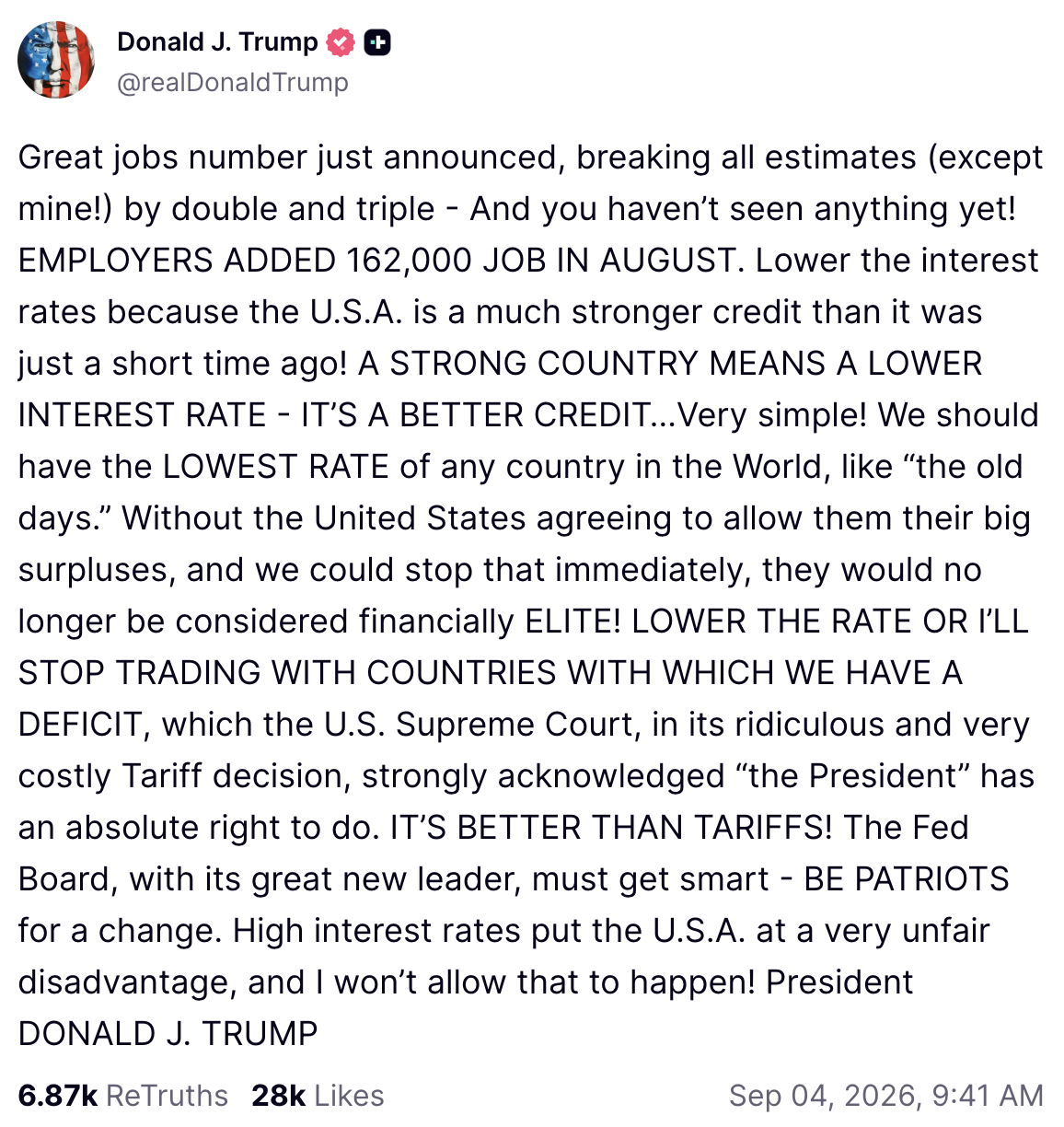
Could you imagine if politicians made interest rate decisions instead of the independent Fed?
They would prioritize any short-term boost for good press instead of the economy’s long-term health.
Anytime the stock market dipped, they would be pulling the interest rate lever no matter what the consequences.
The temporary increase to the stock market would be the only thing they cared about.
Despite what any inflation data says, despite any inflationary pressure from tariffs, wars, or oil, despite any logic at all, the politician in charge would be clamoring for rates to drop.
It would be something like…
Final Thought
Dislike rampant inflation? Then you want to raise interest rates.